Women's Health: Aging Gracefully, Self-Care, Breast Care, and Real Hormone Support
Women's Health Starts With You
Women's health isn't one thing. It's your hormones, your heart, your breasts, your gut, your mind, and your friendships, all working together. When we talk about women's health, we have to talk about the whole picture, not just one lab test or one scan. Women's health is personal, and women's health is also communal. We heal in community, and the health of a population depends on the health (physical, mental, emotional spiritual) especially of the mothers.
This post is about women's health in a real way: my own story, what I've learned, and what I recommend to patients regularly. We deserve more than a pink ribbon and a once-a-year appointment. Your health deserves ongoing attention, curiosity, and care.
Self-Care and Community Are Not Optional
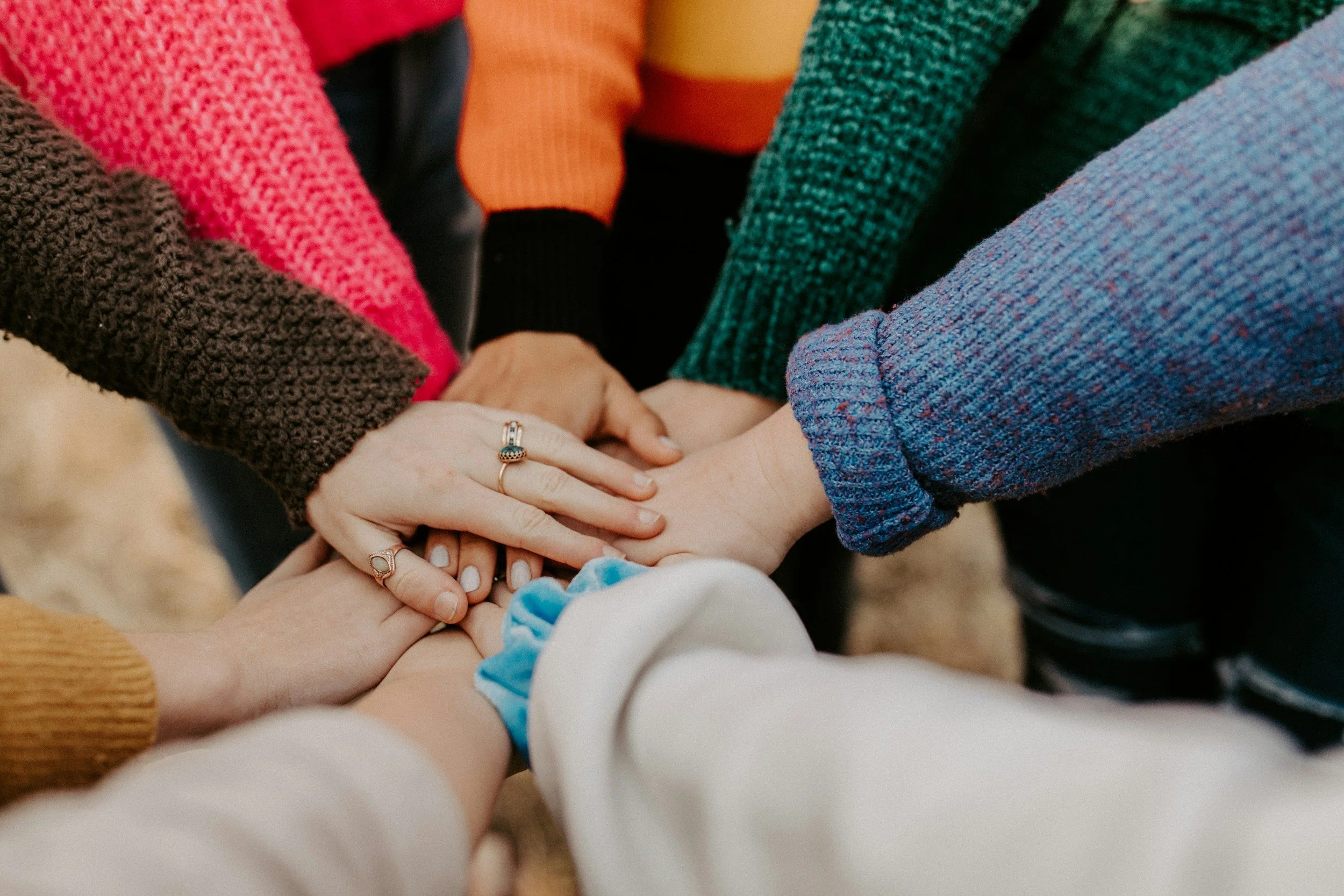
If there's one thing I want every woman to hear, it's this: women's health depends on connection. We have never been as isolated as a species as we are right now, and it is taking a toll. Research shows that a good vent session with friends — a real "stitch and bitch" — actually lowers cortisol. That's good for your heart, your blood sugar, your mood, and honestly, your relationships too.
"When women gather, healing happens."
Women's health improves when women turn off the TV and show up for each other. Mamas, this includes you. We are taught to give, but it’s also equally important to learn to receive. Self-care isn't selfish, it's part of women's health maintenance. Many of the things we love, including snuggling our kids and pets, directly helps our health!
Keep in mind the following key neurotransmitters (in the brain), which also act as hormones (in the body) and understand that lifestyle, connection, and nervous system support can modulate these mood-boosting hormones just as powerfully as SSRIs, without risks of negative side-effects.
Three "happy hormones" worth knowing about for women's health and how to help them:
Oxytocin — your connection hormone. Babies, puppies, hugs, love.
Serotonin — boosted by morning sunlight and time outside.
Dopamine — boosted by finishing things and celebrating small wins.
These aren't extras. They're foundational to women's health. Note these also act as neurotransmitters in the brain as well as hormones in the body, meaning their effects are far reaching and their importance cannot be overstated. Balance is the key and (topic for another day) the current mainstream pharmaceutical approach of blocking reuptake or increasing circulating levels of these neurotransmitters, especially serotonin, may not be the solution it was promised to be. Newer research has debunked the serotonin deficiency theory, though without a doubt I have known people who benefited, for a time, from these interventions. The best path forward depends on drawing from the available tools, making informed decisions and working with a practitoioner that’s tracking your case and helping you adjust as needed.
These are delicate, nuanced interrelationships in the body and everyone is unique. Some antidepressants cause more harm than good in the long run, many were not meant to be taken indefinitely and you must be in continuous conversation with your prescriber or a knowledgeable practitioner to help support you in optimizing benefits while mitigating side-effects. Long-term use has been associated with accelerated cognitive decline and lower quality of life. This is important to discuss and know about. There are many pieces to the puzzle of women’s health, and more information is (almost) always a helpful next step.
Aging Gracefully: A Women's Health Story
Women's health changes as we age, and that's not a bad thing, it's information.
Here's my own story. In my 30s, while in the middle of (stressful) medical school, I found a hard lump near the nipple of my left breast, right over my heart. My mom had (what type?!) cancer at 36, so I paid attention.I worked with my naturopathic doctor, tracked things through a full month/menstrual cycle, and then went in for a mammogram. My breasts turned out to be too fibrocystic for a clear answer, so I moved to a breast ultrasound, which came back negative. That "watch and wait" period was stressful, so I dug in further: I cut back on coffee, added regular breast self-massage, and started using a topical herbal oil blend for lymphatic support and regular preventative breast health care.Now that I'm in menopause, my hormone levels are lower, even with low-dose bioidentical hormone therapy (HRT). Aging gracefully, for women's health, means adjusting your care as your hormones shift, not fearing the shift itself. There are so many more options available now, bioidentical, patches, creams, suppositories, sublingual troches, it’s worth pursuing with your OB/GYN or finding an appropriate and knowledgable practitioner to help you.
Let's Clear Something Up: Menopause Doesn't Lower Your Risk
Here's a myth I want to address for women's health: breast cancer risk does not go down after menopause. It actually keeps climbing as you age. Your ovaries slow down, sure, but fat tissue keeps making estrogen, so excess weight, especially around the belly and even more so after menopause raises your risk instead of lowering it.
A few things worth knowing for your own women's health picture:
Age is still the biggest factor. Most breast cancers happen in women over 50, so aging gracefully means staying engaged with screening, not tuning out.
Timing matters. Going through menopause earlier lowers your lifetime estrogen exposure, which can lower risk. Menopause after 55 slightly raises it.
Weight shifts its role. Extra weight before menopause is linked to slightly lower risk, but after menopause, that same extra weight becomes a risk factor, since fat tissue turns into your body's main estrogen source.
Lifestyle still counts, a lot. Limiting alcohol and moving your body for at least 30 minutes a day helps keep your hormones regulated and helps to lower your risk.
Liver health is vital. It’s about the type of estrogen circulating in the body, that can be protective or provocative, and this also relates directly to your gut health.
Gut health is truly essential. There can be some bacteria in the gut that are not our friends, and can cause estrogen that was meant for elimination to instead be reabsorbed and sent back into circulation again, resulting in or aggravating an estrogen dominance picture. Also the gut biome is directly connected to our neurotransmitters, especially serotonin. Research has shown different bacteria in the gut can affect mood and behavior, as well as hormonal balance.
This is exactly why women's health has to be ongoing, not something we check off once we hit menopause and move on. This is also why I prefer to test before prescribing hormones and I feel more comfortable with progesterone (protective) than simply adding estrogen without knowing the liver and gut health status. The DUTCH test is a great way to check hormone metabolism and liver status. If you are not ready to test you can start to implement the sure ways to help balance hormones. Gut health is essential, supporting liver and detoxification is non-negotiable.When my periods started to get outrageously heavy and the night sweats became a bother, I also quit drinking alcohol completely. Studies show there is no truly "safe" amount when it comes to cancer risk, and binge drinking (four or more drinks in an hour, even once a month) carries the highest risk. Knocking back that bottle of wine, even “only” on weekends was not helping my case. Quitting smoothed out my menopause transition, helped my mental health and benefited my kids and family relationships in more ways than I expected. If you want support cutting back, check out Devon Donkin RN, a "gray area drinking coach". Devon can help you understand the neuroscience behind cravings and gives you actionable tools as well as steady support while you make sustainable changes.
Breast Self-Care: Education, Exams, and Choice
Breast health is one of the biggest pieces of women's health, and it starts with knowledge, not fear.Here's the truth that matters most for women's health: at least 90% of women who develop breast cancer find the tumor themselves. (American Cancer Society) That means self-exams are still the number one tool in women's health. You know your body best.
Simple Breast Self-Care Habits
Do regular self-massage — it supports lymphatic flow and is genuinely therapeutic
Consider a topical oil blend with herbs for lymphatic and immune support
Wear "clean," non-polyester fabrics, especially during workouts (sweat can pull chemicals like flame retardants and PFAS into your skin) (There are currently class action lawsuits against companies that knowingly used these materials in workout gear) https://www.classaction.org/pfas-in-leggings-lawsuits
Skip the underwire bra, and do not wear bras or lymphatic restrictive clothing at night
Sleep on cotton or linen sheets, not polyester or synthetic fabrics
Reduce exposure to plastics wherever you can
Brands worth checking out for clean clothing and athletic wear: FitMint, Mate the Label, PACT, and OmGaia are all lovely good quality.
Imaging Options: You Have Choices
Women's health means knowing you're not locked into one screening method, just as women are unique and our breasts are unique, so to are our needs for appropriate screening.
Mammogram — the most available option in the U.S. New guidance recommends women 40–70+ go every two years instead of annually. Worth knowing: false positives happen in 10–12% of mammograms, and over 10 years, 50–60% of women will get at least one false positive. That's scary, but take a breath, get a second opinion, and carry on.
Breast Ultrasound — great for dense or fibrocystic breasts, no radiation, no compression. It may not be covered by insurance right away, but in Oregon you can self-order through EPIC Imaging, and similar self-referral options exist in California.
Thermography — (my preference) a whole-body, non-invasive scan that looks at heat patterns, since cancer often increases blood flow (and heat) early on. It works best compared over time, with a first follow-up around 6 months later, then annually. Use the same machine and interpreter for consistency. It can also flag other issues, like inflammation, sometimes before you'd otherwise notice. The area of my thyroid was aflame on my full body thermography scan. This was while I was still regularly consuming alcohol, and not surprising with knowing how toxic alcohol is to the thyroid and entire endocrine system.
Women's health is not one-size-fits-all. Education and choice matter. Talk with your provider about which combination of tools fits your body, your breast density, and your risk.
A Word on “Pink-washing”…
Women's health advocacy shouldn't fund the same chemicals that hurt women's health. Many "pink ribbon" products still contain parabens, phthalates, and other endocrine disruptors linked to cancer. We've spent over $20 billion on breast cancer research in the past 20 years, yet rates of breast cancer continue to rise. Save your money, avoid pinkwashed products, and instead invest in things that actually reduce risk: managing blood sugar and inflammation, reducing chemical exposure, and cutting back on or quitting alcohol. Prioritize regular self-care, mental health care and physical wellness. Women are quite literally the foundation of this society, we need to be a priority which may mean prioritizing ourselves first.
50 medicinal plants from around the world! Beautiful puzzle, very enjoyable to solve.
Hormone Testing Done Right
Women's health conversations about hormones usually stop at estrogen, progesterone, and testosterone. There are some practitioners who prescribe without testing, you can even go online and order your own hormones these days. I’m not sure that’s the best option. There’s also nuance about
when to test during your cycle if you are still cycling, you will get different results at different times
blood test, vs. urine metabolites
SHBG, testosterone, pregnenolone and other hormones to look at
LH, FSH, AMH to look at where you may be in relation to menopause, ovarian and egg viability and pregnancy potential
Real comprehensive women's health looks at the whole endocrine system, including your thyroid and adrenals, blood sugar and cardiovascular health. It's all connected, like an orchestra.
Here's an important part most people miss: getting hormones out of your body matters as much as making them properly or supplementing with HRT. Your liver does the job of metabolizing for clearance, and healthy liver function is a cornerstone of women's health and hormone symptom relief.
You want a health balance of estrogen to progesterone, you want more estriol and estradiol and less estrone, & your needs may be different for symptom relief than your mother, sister or friend. Symptoms may be helped the most by addressing bowel health, liver health and choice herbs. You may not even need to start hormones ever or just yet. It’s important you have a practitioner you trust who you can discuss concerns with, including assessing and reducing breast cancer risk, family history and prior cancer concerns, bone density and cardiovascular health. There are pros and cons to BioHRT, and I would definitely encourage you to explore the (individualized) compounding options and bioidentical sourcing for hormones. The era of simply prescribing synthetic birth control as a “perimenopausal hormone support” is lagging and does not address all the above concerns adequately. Adding estrogen to an estrogen dominant case, or in a case of a poor hormone clearance situation, could make things worse and increase risk unnecessarily.
The DUTCH Test
For real answers, I recommend the DUTCH test, a urine test that measures hormone metabolites. It doesn't just show your hormone levels, it shows how your body is processing and clearing them, which reflects your liver health too. It can check salivary cortisol and adrenal health as well. The more pieces we have of the puzzle the more compete our plan for your optimal health and wellness. This is a much fuller picture than blood work alone, and it's a key tool for my approach to personalized women's health care. You can order this online or I can help you order and interpret this test.
Supporting Liver and Hormone Health
Herbs: dandelion, nettle, fennel, milk thistle
Foods: asparagus, artichoke, resistant starch, green tea
Reduce or quit alcohol, it slows clearance of progesterone while letting estrogen linger, and can even convert other hormones into estrogen
Support regular, satisfying bowel movements, since this is the major exit route for “used” hormones. Support gut health, we want beneficial bugs in there who are supporting your liver’s efforts to clear the system
Before adding any hormones, know your starting point. Test, don't guess. Access to mail-order hormones or prescriptions without proper testing is a real risk in women's health today, you could end up adding to the problem instead of solving it.
Your Women's Health Action List
Choose organic when you can. Reduce your exposure to toxins when you can. But also know that sometimes disaster strikes anyway, and there is still medicine and hope in that moment too. Building a comprehensive health care team, including an alternative medicine practitioner, herbalist and acupuncturist can help you have the best options and most promising outcomes.
Women's health is built from small, steady steps, not perfection. Here's where to start:
Strength training, movement, yoga Building strength, building bone and protecting the joints is one of the key things we can do to age gracefully. Muscle is an endocrine organ, building muscle protects our hormone production, mood and stability.
Do regular monthly breast self-exams and get to “know your normal”, even as it changes as through your cycle
Choose your imaging, thermography, breast ultrasound or mammogram based on your breast tissue and comfort
Get a DUTCH test to understand your actual hormone levels and how well you're clearing them
Support your liver with dandelion, nettle, and liver-friendly foods
Reduce or eliminate alcohol, get support from Devon Donkin RN if you need it
Choose cleaner fabrics and fewer plastics, especially in workout gear
Prioritize connection, find your people, vent regularly, ask for hugs
Get morning sunlight, celebrate small wins, and nurture the relationships that fill you up
Work With Dr. Jen
Every one of these steps supports women's health as a whole. There are no simple answers, but a prevention-first mindset has deep healing power, and it sets a better example for the next generation of women too.
Women's health deserves a personalized plan, not guesswork. If you're ready for real answers about your hormones, your breast health, or your aging journey, I'd love to help. Reach out to build a customized women's health plan that looks at your whole picture: hormones, liver, breast care, lifestyle, and community support.
You don't have to figure this out alone. Let's talk.
When women gather, healing happens. Find a local women’s group or get on the newsletter list to find out about events we are hosting in the Marin Women’s Health Collective. We’d love to help you and your friends find optimal health and support through life’s inevitable transitions.