
Winter Water Challenge! Staying Properly Hydrated Even When it’s Cold Outside

Sheets of broken ice water in the harbor with New York City in the background
You're bundled up, it's freezing outside, and honestly? A cold glass of water probably sounds terrible right now. But here's the thing—winter is actually the season when your body needs water the most, even if you don't feel thirsty.
The Winter Hydration Trick Your Body Plays on You
By the time you feel thirsty, you're already dehydrated. Yep, that's a real thing!
In winter, your body pulls a sneaky trick on you. Cold air makes your thirst signals decrease by up to 40%. Your blood vessels constrict to keep your core warm, which actually triggers more urination—so you're losing water without even realizing it. Add in the dry heat from indoor heating systems, and your body is basically a sponge being wrung out, constantly.
Your lungs? They're working overtime too. When you breathe in cold, dry winter air, your body has to warm it up and add moisture before it reaches your lungs. This means you're losing one to two liters of water just from breathing. That's a lot of water leaving your system without you noticing!
Here's what happens: the water you breathe out goes into the cold, dry air around you. The water vapor just vanishes. We all know how fun it is to watch that! Meanwhile, the dry air you're breathing in has a much lower water content. So your body is constantly trading precious water out for dryer air in. This is happening to everyone too. Winter dehydration affects children, adults, older people and pets. Everyone loses more water in winter than they realize.
Think about it this way: in summer, you sweat, and you see yourself losing water (unless you’re in the desert where it can happen so fast you don’t even know you are transpiring. In winter? You're losing just as much water (sometimes more!) but you can't see it. The water evaporates so fast in dry cold air that you might not notice. Your sweat dries before you feel wet. Your lungs release water vapor with every breath. Your skin releases moisture constantly. And your thirst response is turned way down. It's the perfect storm for dehydration.
Common Winter Water Issues Nobody Talks About
Here's what I see in my practice all the time: people coming in with "mysterious" winter symptoms that are actually just dehydration. There’s a great book on the topics called Your Body’s Many Cries for Water by Fereydoon Batmanghelidj.
Headaches in winter? Often water depletion. Your brain is 75% water. When water drops, your brain literally shrinks slightly, pulling on the membranes around it. That can cause headaches.
Brain fog and trouble concentrating? Water. Your brain needs water to think clearly. Water carries nutrients to brain cells and removes metabolic waste from your brain.
Muscle cramps that won't go away? Dehydration affects muscle function dramatically. Muscles need water (& electrolytes!) to contract and relax properly. Without enough water, muscles get tight and crampy. Ask your Naturopathic Doctor about what Magnesium is right for you!
Sore throat that lingers all winter? Your throat needs water to stay lubricated and fight off viruses. When you're dehydrated, your throat is one of the first places to suffer. Note: some medications can increase dry throat and this can result in chronic sore throat. Hydrate!
Skin looking extra dry and irritated? Water. Your skin is an organ, and like all organs, it needs water to function. Dehydrated skin looks rough, feels itchy, and ages faster. Hydrating from the inside out with water is the best skincare routine. Adding collagen from bone broths and stews and help your skin hold onto that moisture. Topically, applying lotion within a few minutes of getting out of the bath or shower will maximize the moisture retention. Apply before bed for restoration while you sleep. I’ve taken to using my (all natural) lip balms on the corners of my cuticles and nails after I’ve moisturized my kisser.
Constipation that only seems to happen or gets worse in winter? You need more water. Your digestive system needs water to move things along. Winter dehydration makes constipation worse. Again, the soups, stews and herbal teas can also help the bowels to move more easily, be better formed and eliminate more effectively. Win-win-win.
Feeling anxious or fearful? Remember that in Chinese medicine, water element is connected to fear. When you’re dehydrated it can even increase the risk of heart palpitations and dizzy spells. Which can worsen a tendency to fearful thoughts and anxiety. Supporting your kidneys and adrenals with water, herbs and supplements as appropriate-helps calm these emotions. You know I love the Lotus Wei (insert link) flower essences for nervous system, mental emotional support and healing.
Getting sick more often in winter? Dehydration weakens your immune system. Your lymphatic system can flow better with warmth and adequate hydration. White blood cells need water to function. When you're dehydrated, you're more vulnerable to the colds and flus going around.
The solution to all of these? Better water hydration with clean, fresh water.
The Real Problem: What's Actually IN Your Water?
Here's where things get interesting—and a little troubling.
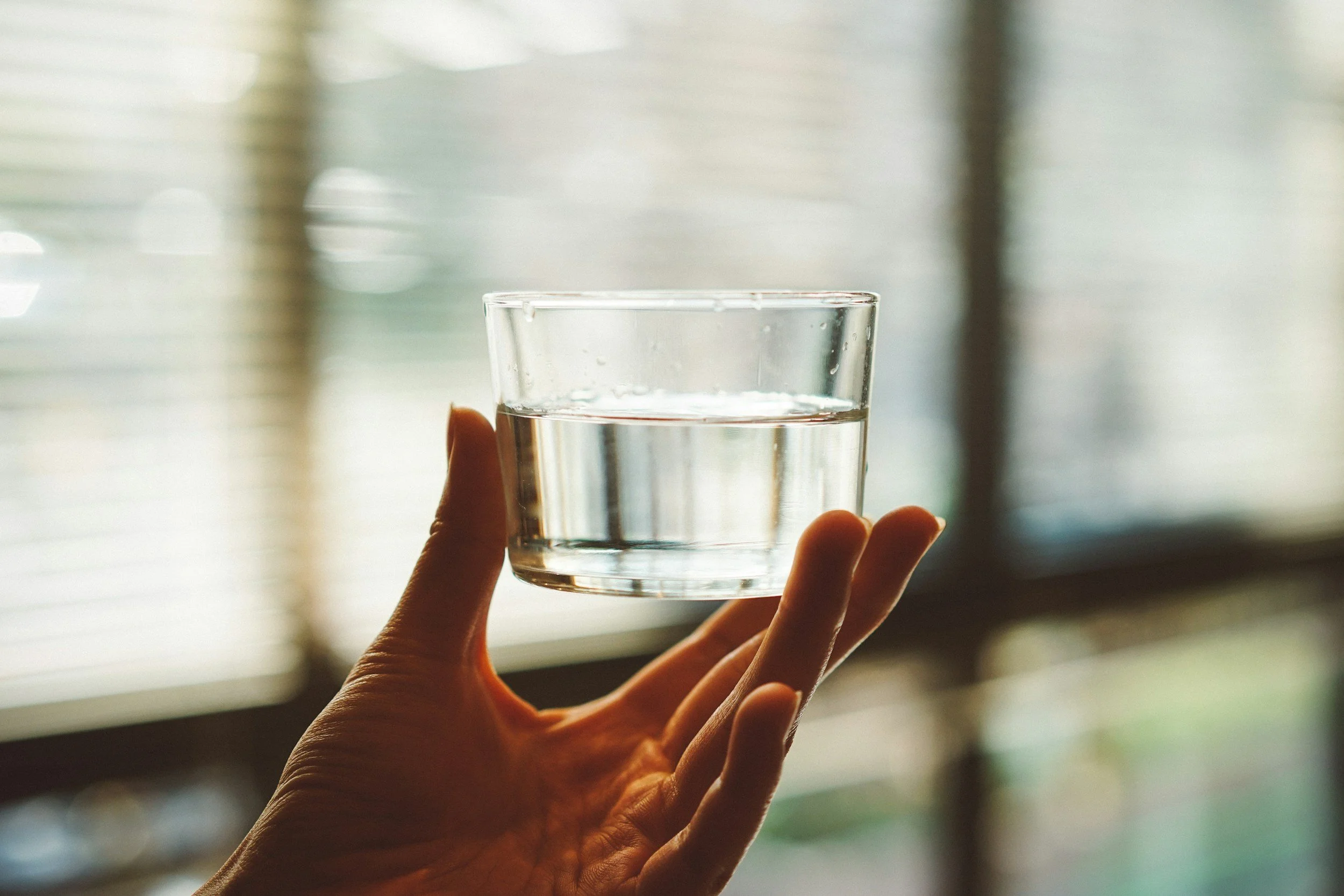
We talk a lot about how much water you drink, but we don't talk enough about water quality. And that matters, maybe even more than water volume.
Tap water, filtered water, spring water, reverse osmosis water—everyone has an opinion. But what's really in the water you're drinking right now?
Municipal water treatment plants try their best, but here's the honest truth: they're not designed to remove medications from water. When people take pills—cholesterol medications, antibiotics, blood pressure drugs, antidepressants—their bodies eventually process them and flush them out. And where do they go? Into the water system. When did you last check your water supply? Up to 40% of city water is actually “cleaned” and recycled, which is good from a sustainability point of view. Not so good if it’s not so clean. This is where good quality water filters can make all the difference. (link to MultiPure)
This is one of the biggest water quality issues nobody talks about. Antibiotics end up in the water. Blood pressure medications end up in the water. Cholesterol drugs end up in the water. Anti-seizure medications, antidepressants—all of it ends up in the water we drink. Even conventional wastewater treatment plants aren't specifically designed to remove these organic compounds, allowing them to pass through into drinking water sources.
Studies show that common pharmaceuticals are showing up in drinking water all over the country—in the water you're drinking, in the water your kids are drinking. We're not talking about dangerous levels yet—but we're talking about chronic, low-level exposure to medications you never chose to take. The long-term effects? We don't know yet, scientists are still studying that. If you are a believer in homeopathy as I am, then it all starts to feel a little more squidgy,
& This isn't just about human health either. These water-borne medications are messing with aquatic life. Fish are showing hormone disruption and behavioral changes. Frog populations are being affected by agricultural run off and overspraying of chemicals. That's a warning sign we probably shouldn't ignore.
Then there's the rain water issue. Sounds clean, right? But water falling from the sky is picking up chemicals on the way down. The air itself carries pollutants that get absorbed into rain. So even "natural" water sources aren't as clean as they used to be. I still love some filtered rushing river water though! So invigorating and enlivening.
Filtered Water: Your First Line of Defense
This is why I talk to patients about water quality just as much as water quantity.
You have options when it comes to water:
Tap water - convenient, but carries whatever is in your municipal water system plus whatever the water picked up traveling through pipes to get to your house. It might contain pharmaceutical residues, minerals, and other contaminants. Yes generally in the US you won’t get sick from drinking the tap water, but many more cities than Flint have lead levels off the charts and contaminants we don’t want to drink or give our kids or pets.
Filtered water - better than tap! A good filter reduces many contaminants, but different types of water filters catch different things. The type of filter you choose really matters. My favorite is the MultiPure filter, click link for discount code.
Spring water - comes from natural springs, but water quality varies depending on the source and what's happening upstream. Some spring water is cleaner than others. You can buy in glass bottles or refillable plastic 5 gallon jugs. I have noticed increased vitality and energy after a weekend of drinking only clean sourced Hallstein water from the Alps (yum!). I haven’t found it to be a sustainable practice.
Reverse osmosis water - filters out a lot of stuff from water, but it also removes helpful minerals your body actually needs. Some people re-mineralize this water after filtering. This could be especially relevant when someone in in a health crisis or recovery, to get them the simplest cleanest pure water possible.
Vortexed water - this is my newest interest! Vortexed water is water that's been spun in a whirlpool (created by magnets and an impeller/propeller) kind of like how natural spring water works. The claim is that this helps water molecules realign in a way that allows better hydration and water absorption into your cells. The sales pitch is that this means better hydration for your cells, clearer thinking, more energy, and even helps your body get rid of toxins more efficiently. I have found that I enjoy drinking it and I don’t pee right away, which can happen with water that isn’t as well absorbed. Check out the Mayu water system—it's fascinating research.
My advice? Find a good water filter or water source you can stick with consistently. Choose water bottles made of stainless steel or glass—NOT plastic. Plastic leaches chemicals into water over time. I'm a fan of HydroFlasks or simple stainless steel water bottles. Keeping a thermos on hand is so excellent and helpful too! Especially for hot water, hot tea, and hot soup during winter & for enjoying throughout the day.
Some people use charcoal filters to clean their water. Some expose water to sunlight. Others store water in cobalt blue glass water bottles. Some add crystals or sea salt to water. Figure out what works for your family and your budget, then do it consistently. The best water system is the one you'll actually use.
Make Your Water Interesting (So You'll Actually Drink It)
Cold water doesn't sound appealing in winter. I get it. But here's the thing—you need to drink water anyway. So let's make it so delicious you want to drink it.
One of my favorite concepts is "interesting water." This means adding something to your water to help your body absorb the water better and actually want to drink more water. I believe this helps enliven the water so that your body cells will absorb it. Ever notice when you drink water and it seems to just “go right through”? There’s two concepts that could apply here, one is the idea that “dry earth can’t absorb water”, so I prefer people to sip and hydrate throughout the day. The other is that the body is always trying to preserve the clean water in our cells, so if you are drinking water that is not as clean, via osmosis, your body won’t absorb it. Filter the water, add some salt or living water in the medium of herbs, fruit, veggies etc and viola! Interesting water that your body will welcome.
Try these additions to your water:
A pinch of sea salt (your kidneys love this salt in water!)
Fresh herbs like basil or lemon in your water
Cucumber slices floating in water
Blueberries in water
Fresh nettle tea water
Herbal infusions made with water
Herbal tea is a winter game-changer for water intake. But pay attention to which herbs you choose: some herbs like yarrow and hibiscus act as diuretics when served as cold water, which means they make you lose more water from your body. Interesting side note: when you serve these same herbs as warm water tea, they become diaphoretics—they support sweating and warm the body. So choose your water temperature wisely!
Hot herbal water feels comforting on a cold day, which means you'll actually want to drink more water and stay hydrated. We love this.
If hot chocolate as your water source is calling your name, try upgrading it: use 4 Sigmatic's mushroom cacao reishi blend mixed with hot water, or Anima Mundi's Resilience blend stirred into hot water, or Ancestral Supplements' chocolate bone broth protein mixed into hot water. You get the comfort of hot water cocoa without all the extra sugar dragging your body down and with the added benefit of adaptogens (which support adrenal health), collagen in the bone broth protein (supports skin and tissue integrity) and still the yum of the cacao.
Here's the thing about water absorption: sipping water slowly is better than chugging huge bottles of water at once. When you sip water gradually throughout the day, your body actually absorbs more of that water. Your cells have time to take in the water properly. Hasty water consumption? Your body can't absorb it all, and much of that water just passes through you.
Also try to drink your water away from meals, or at least after eating. This prevents you from diluting the water-based digestive enzymes your body uses to break down food. Save serious water and tea drinking for between meals when your digestive system isn't working hard.
Winter Foods to Support Your Water Element & Hydration
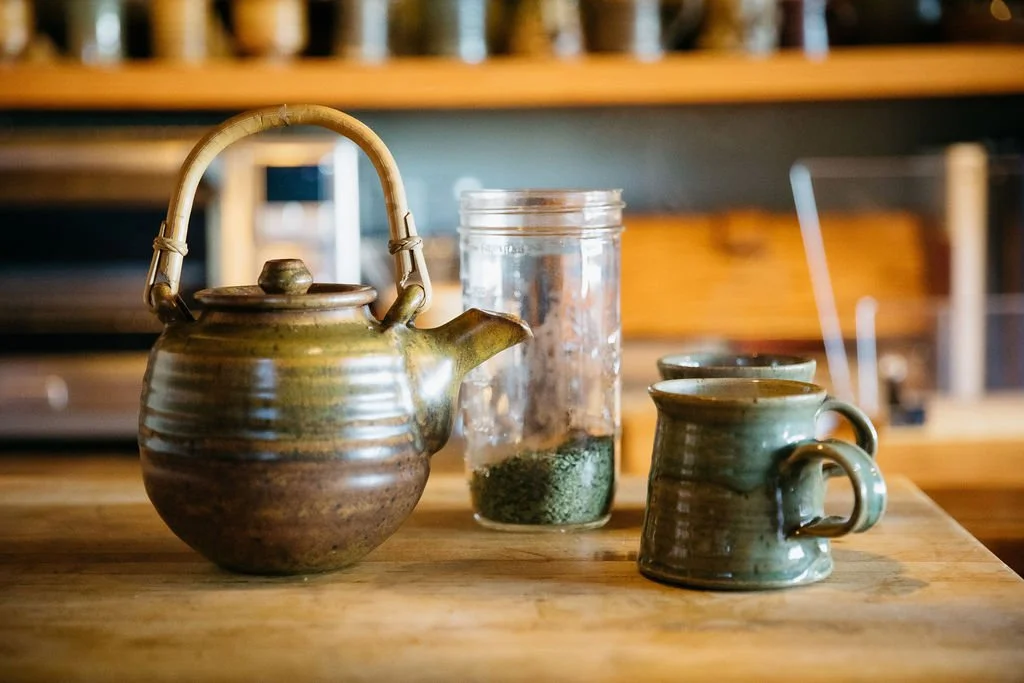
According to Paul Pitchford's approach to seasonal eating and hydration from the book Healing with Whole Foods, Winter is the time to eat yin foods that tonify (that means strengthen and nourish your water element organs).
These water-element-supporting foods pair beautifully with staying hydrated:
Grains that support water hydration:
Quinoa (water-cooked)
Rice (especially in water-based dishes)
Millet (simmered in water)
Barley (in water-based soups) (Please note barley is NOT gluten free)
These grains are best enjoyed cooked with plenty of water, creating water-rich congees and porridges.
Water-supporting legumes:
Mung beans (cook in fresh water and can cook down for a lovely congee)
Adzuki beans (simmer in water for soups)
note: mung and aduki beans do not need to be soaked ahead of time, though they can be sprouted for added nutrient benefit. The other larger more starchy beans definitely need to be soaked ahead of time for overnight
Black beans (traditionally cooked slowly in water)
Kidney beans (kidney shaped!)
Beans are 60-70% water when cooked, making them a hydrating foods that support water balance.
Water plants that also tonify:
Seaweeds and microalgae, especially chlorella and spirulina (these are alkalizing, heat-clearing, and support water-based blood detoxification)
The following Yin tonifying foods and water vegetables help your body utilize water more efficiently
Vegetables with high water content:
Beets (67% water)
String beans (89% water)
Persimmons (79% water)
Zucchini (95% water)
Dairy from animals:
Goat milk (65% water)
Sheep milk (water-rich)
Cow milk (87% water)
Cheese (water content varies)
Yogurt (80-85% water)
The secret? Eat these foods in a water base. Make soups. Make stews. Make congees (slow-cooked water, rice, and bean combinations). This is the traditional way to support your water element in winter.
Congees are especially important if you're recovering from a stomach bug, surgery, or anything that's depleted your body. A simple congee—rice simmered for hours in water with mung beans—is one of the most hydrating, healing foods you can eat. The long cooking with water breaks everything down into an easily digestible, water-rich meal that your body can absorb when it's weak and depleted.
The Goal: Half Your Body Weight in Ounces of Water Daily
Here's the math: aim for drinking half your body weight in ounces of water daily. So if you weigh 100 pounds, aim for 50 ounces of water. If you weigh 150 pounds, aim for 75 ounces of water. Adjust slowly! Don’t go from zero to 60 in a day, allow your body time to catch up.
But here's another beauty secret, this water intake goal can include water from food. Which often means more beneficial antioxidants and building materials for healthy skin, a sharp mind and a robust immune system.
You can meet your daily water needs through:
Plain filtered water
Herbal tea (which is mostly water)
Broth and soup (which are water-based)
High-water-content vegetables like zucchini
Water-rich fruits like citrus, apples, pears
Congees and stews (these are slow-cooked rice and water combinations)
In winter, it's easier to get the water you need through warm foods and hot water drinks. Use that to your advantage. A big bowl of winter vegetable soup with water-based broth can count toward your water goal. A hot cup of herbal tea counts towards your water goal *unless it’s heavy on the diuretic herbs.
Bone broth made with water and simmered for hours counts and adds other beneficial nutrients.
This is especially important if you've been sick or are recovering from anything that depleted your water reserves. If you've had diarrhea or vomiting, you've lost a lot of water and need to rehydrate intentionally (consider adding probiotics too). Your body uses extra water healing from surgery, chemotherapy or other medical procedures which increases your water needs. Please be extra intentional about rehydrating with clean, filtered water.
Why Water Matters: The Deeper Truth
Here's something most people underestimate, about 60-70% of your body is water. Your blood is water based. Your lymph is mostly water. Your organs need water for their own nourishment and waste removal. Your cells need clean water. When you don't have enough water, nothing in your body works properly.
Your kidneys are one of the key filters in your body. So is your liver. These organs are responsible for detoxification and elimination. When they receive clean water? They work beautifully. When they're burdened with water full of chemicals, medications, and pollutants? They have to work so much harder just to clean the water first. They can't do their primary job of cleaning you. It's like asking a filter to clean dirty water—it gets overwhelmed and stops working well.
Blood carries nutrients throughout your body—but blood is water-based. Lymph carries cellular wastes away—also water-based. Your lungs need water to diffuse oxygen in and carbon dioxide out. Your entire system depends on having enough clean water to function. Without it, you're basically running your body on empty.
Plus, when you're properly hydrated with clean water:
Muscle soreness after workouts decreases (water helps muscles heal)
Histamines clear more efficiently from your body (water helps flush them out)
Mucus and phlegm thin out (great for protecting your lungs and fighting off illness)
Blood flows better and is less likely to clot inappropriately
Your digestive system works properly (water helps break down food, moistens and keeps it moving through the digestive tract)
Your kidneys function better (they need water to filter your blood)
Your skin looks better (water plumps up skin cells from the inside)
Your brain works better (your brain is 75% water!)
Your body can actually detoxify itself instead of just struggling to manage
The Water Wisdom: Your Winter Hydration Action Plan
Here's my practical advice for maintaining clean water hydration throughout winter:
Drink clean water consistently throughout the day. Don't wait until you're thirsty. In winter, your thirst signals decrease dramatically, so thirst isn't a reliable indicator. Set a water intake goal—half your body weight in ounces of water daily—and track your water drinking. You might even need to set an alarm. I remember on the breaks between school terms I was more likely to get dehydrated! Because we had such a set schedule for filling the water and peeing, drinking all through class and so when that schedule was missing, so was my regularity.
Filter your water for cleaner hydration. Your liver and kidneys are the primary organs filtering and detoxifying your entire body already. Give them clean water to work with, and they'll thank you by working even more effectively and efficiently. Poor water quality forces these organs to work overtime just to clean the water before they can help use it to clean your body.
Make your water interesting so you'll drink it. Add a pinch of salt to your water, add fresh herbs, add fruit slices, or enjoy it as herbal water tea. The water you'll actually enjoy drinking is better than perfect water you avoid.
Sip water slowly and intentionally. Gulping down huge bottles of water at once is far less effective than sipping water slowly throughout the day. When you sip water gradually, your body has time to actually absorb the water into your cells.
Drink most of your water away from meals. Try to consume your water intake between meals (or after eating) so you don't dilute your digestive enzymes with water. Your digestive system needs concentrated enzymes to break down food properly.
Invest in quality water bottles. Make water hydration feel like self-care, not a chore. A nice insulated stainless steel water bottle makes reaching for water feel good. Keep a water thermos for hot water, tea, and soup. Avoid plastic water bottles—plastic leaches chemicals into your water over time.
Support your kidneys with seasonal water-element foods. Black beans, adzuki beans, and seaweed in water-based soups help your water-element organs thrive in winter.
Drink water-rich foods, not just beverages. Soups made with water-based broth count toward your water goals. Congees made with water and slow-cooked grains count. Water-rich vegetables count. You don't have to drink all your water from a glass.
Keep your water warm in winter. Hot water is more appealing when it's freezing outside. You'll drink more water consistently if it's warm and comforting rather than ice cold.
Check your urine color as a water hydration indicator. Pale yellow or clear urine means you're hydrating well. Dark yellow urine is a sign you need to drink more water.
Winter is the season of rest, restoration, and turning inward. There's no better time to tune into what your body actually needs. And right now? Your body needs clean, quality water more than anything else. This is the time to nourish the Yin and build the reserves.
Everything's better with water—especially when it's clean, filtered, and intentionally consumed.
Your family's health and your peace of mind are worth the effort to stay hydrated all winter long.
Dr. Jen