Morning Wood and Your Heart: What Erectile Dysfunction Can Tell You About Heart Disease
I often joke that men won't go to the doctor unless "it falls off or won't stop bleeding." Unfortunately, the statistics back me up. So let's talk about something that does get a man's attention: what's happening below the belt. The link between erectile dysfunction and heart disease is one of the most important, and least talked about, warning signs in men's health. Research shows ED symptoms often appear two to five years before heart symptoms do. In other words, your penis may be the canary in the coal mine.
It's Movember, the month we talk about men's health, so guys, this one's for you. 🥸
I had one patient who finally went in to see his regular doctor, and it had been so long they had to change his hair color in his chart from "brown" to "grey." They asked him no more than five questions, then handed him a statin and a prostate drug, with none of his questions answered. He tossed those prescriptions and came to see me for a more in-depth assessment.
We re-ran his PSA, because PSA tests are much more informative as a series over three to six months. We looked at his free and total testosterone, plus inflammatory and metabolic markers (HbA1c, homocysteine, hs-CRP). And I asked some very important questions: Was he still able to get it up and keep it up? Perform to his (and his partner's) satisfaction? Yes and yes, and his lab markers looked pretty good. Winning!
I explained that ED can be an early sign of cardiovascular disease, and that at 75, if his biggest problem was finding a date, well, he was in pretty good shape.
What Erectile Dysfunction Says About Heart Disease
Here's why your doctor should be asking about your sex life. The arteries that supply the penis are tiny, only about 1–2 millimeters wide. The same plaque and blood vessel damage that eventually causes a heart attack or stroke shows up in those small vessels first. So trouble in the bedroom can be your earliest signal that something is going on in your heart. In one large study (MESA), men with ED were about twice as likely to have a heart attack, stroke, or cardiovascular death, even after accounting for traditional risk factors.
That matters, because cardiovascular disease is the leading risk for men as they age:
Ages 50–64: Cancer (lung, prostate, colorectal) is the #1 cause of death, followed closely by heart disease, then accidents, chronic lung disease, and liver disease.
Ages 65 and older: Heart disease takes the top spot, followed by cancer and stroke.
Notice that prostate cancer, the thing most men worry about, isn't the biggest threat. Your heart is & I do want to know how you really feel.
This is also why I'm cautious about jumping straight to prescriptions like Viagra or Cialis. They work, but they may mask a bigger issue. (To be fair, these medications do support small vessel circulation and may even have heart-health benefits at lower doses.) I want to know why things aren't working before we cover it up.
Other common contributors to ED include:
PTSD, chronic stress, and mental health challenges
Many common medications (antidepressants, blood pressure meds)
Inactivity, diabetes, and obesity
The good news? For most men, ED is reversible once we identify the underlying cause.

Morning Wood: The Original Home Health Test
You may remember we've discussed how often women get labeled "hormonal." Well, men have hormone cycles too. Male hormones run on a 24-hour cycle, with monthly and seasonal shifts happening naturally as well.
A fun piece of medical history: Back in med school (25 years ago!), we were taught a low-tech test for nighttime erections. (This was back when you could buy postage stamps in a roll.) You'd wrap a strip of stamps around 🍆 before bed, and if the "bracelet" was torn by morning, that confirmed healthy overnight function. These surges actually happen several times a night; we're just usually too asleep to notice.
Morning wood is a reassuring sign of healthy circulation and adequate hormone levels (though not a guarantee that everything is perfect). If it has quietly disappeared, that's worth a conversation. It can point to blood flow problems, blood sugar issues, or low testosterone, which is easy to check with a simple blood test of free and total testosterone.
The Prostate Talk Nobody Wants to Have (But Should)
"I'm telling you, it's the most amazing innovation," he gushed, and went on to tell me all about the miracle of his catheter. I was in my early 20s and had probably never really thought much about prostates before. As my friend's dad explained that his bladder had been stretched to the size of a football, I sat there cringing over my lunch.
The prostate is a gland that wraps around the urethra right where it leaves the bladder. If it swells, it squeezes the urethra and blocks urine flow. The bladder is an amazing organ that can stretch more than almost any other part of the body, but in his case, it had stretched way too far. Another example of a guy waiting far too long to see the doctor. (Guys, don't wait!) And notice how happy he was once he finally got help. 😊
There are a few reasons a prostate can swell, and all of them are worth getting checked:
Benign Prostatic Hyperplasia (BPH): Normal, non-cancerous growth that usually affects the inner part of the gland, which is why it presses on the urethra and causes urination problems.
Prostatitis: Infection or inflammation of the prostate.
Prostate Cancer: Common in older men. Tumors usually start on the outer part of the prostate, which makes them easier to feel on exam. A cancer diagnosis is scary, and you should always get a second opinion and a plan. But this cancer usually grows slowly and can often be managed. As the saying goes: "More men die with prostate cancer than from it."
Symptoms to Watch For
Mostly pee-related:
Going to the bathroom more often, or waking up at night more than usual
A weak stream, dribbling, or trouble starting or stopping
Straining, or feeling like you haven't fully emptied the tank
Weaker erections or pain during ejaculation
If you ever see blood in your urine or semen, see your doctor right away.
How Your Prostate Gets Checked (and What a PSA Test Really Tells You)
The digital rectal exam (DRE) is still the most reliable way to check your prostate by feel. I was taught a healthy prostate should feel like the tip of your nose: not soft like a cheek (a sign of BPH) and not hard like a forehead (a sign that needs further workup).
I don't perform prostate exams in my office. But I can test your PSA and testosterone, talk through the risks and benefits of further testing, and refer you to a trusted urologist for a professional exam.
Even the PSA test (prostate-specific antigen) isn't foolproof. A level above 2.5 merits follow-up, but PSA can also rise after a long bike ride, sex the day before, or other pressure on the area. That's why we care most about the trend. Steady levels are good news. A sudden jump? I want to know why.
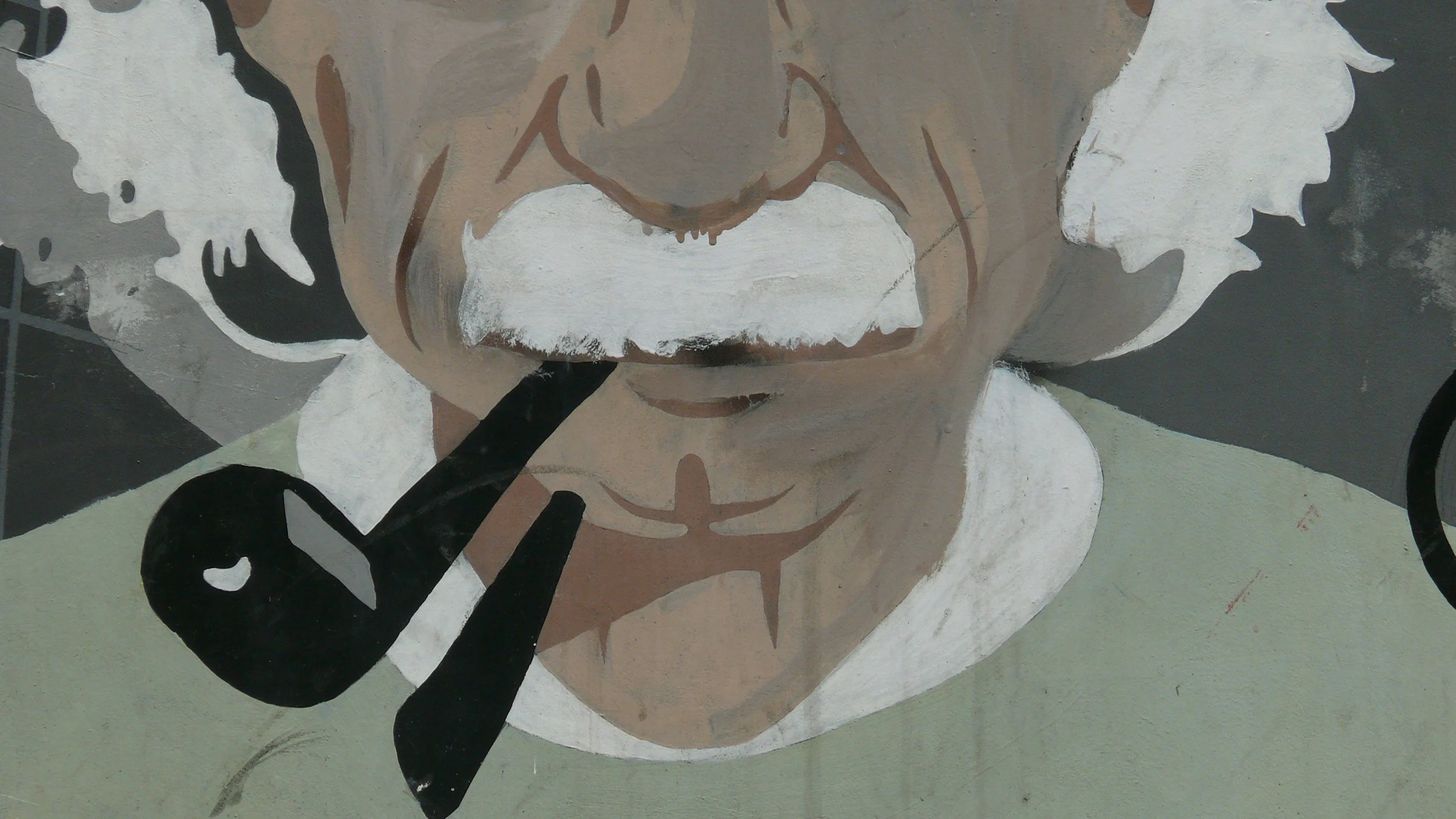
Mustaches for Movember, Men’s Health Awareness month. We are going to approach your health with the stealth and creativity of Einstein. You are absolutely worth it!
Your Action Plan: Simple Steps to Start Today
Here's the empowering part: the same habits that protect your heart also protect your prostate, your hormones, and your performance. (& keep you looking good to boot!)
1. Test, Don't Guess
Ask for a PSA (tracked over time), free and total testosterone, HbA1c, fasting insulin, homocysteine, and hs-CRP. Men are more likely than women to have diabetes, and many have no idea it’s coming. Consider a continuous glucose monitor to see how your body reacts to stress, food, and poor sleep. That information can be life-saving. Chronically high blood sugar damages the brain too; some researchers have even nicknamed Alzheimer's "type 3 diabetes." Since men tend to ignore symptoms, testing here matters even more.
2. Move Every Day
Physical activity boosts your body's own hormone production, lowers cancer risk, improves mood, and protects your heart. Aim for at least 150 minutes of moderate aerobic exercise per week plus strength training at least twice a week. Exercise and weight loss also support healthy testosterone production. Cyclists: please get a bike seat designed to take pressure off the taint (perineum) and prostate.
3. Mind Your Underwear Drawer and Bathroom Cabinet
🩲 Underwear matters. Heat affects sperm health. Polyester (plastic!) underwear has been shown to lower sperm count, and it's reversible when you switch back to cotton. Keep the boys cool and let them breathe. Brands I recommend - NADS, PACT, FITMINT- organic, primarily cotton and breathable. OR go rogue and free ball.
🧴 Watch the "fragrance." Phthalates, often hidden in cologne, scented deodorant, and body spray, can lower testosterone. I regularly tell my students and patients that the Axe body spray ad is lying to you: it may actually make you lessmasculine, not more. Phthalate exposure before pregnancy has even been linked to changes in the reproductive development of baby boys. You don't want to do your sons wrong like that!
4. Eat, Drink, and Sleep Like You Mean It
The best advice never changes: eat more fiber (30-40g per day is the target for men), drink less alcohol (or quit), and quit tobacco, which improves circulation and lowers both cancer and heart disease risk. Get 7–9 hours of quality sleep. Consistently sleeping under five hours significantly raises your risk of chronic disease and early death.
Sitz baths can also increase blood flow to the pelvic area, you can use the extendable shower hose to direct water to the inguinal area without having to break out the sitz bath tubs, it’s still a very effective way to increase circulation, help clear wastes from the tissues and bring immune system surveillance to an area that is otherwise harder for the circulation to reach.
5. Consider Prostate-Friendly Supplements
Saw Palmetto: A popular berry extract for urinary symptoms that blocks testosterone from converting into the more powerful hormone DHT
Zinc: Healthier prostates tend to have higher zinc levels in the tissue. Pass the pumpkin seeds (or oysters), please!
Omega-3 Fatty Acids: Found in fish oil; helps reduce inflammation
Beta-sitosterol: A plant extract that may improve urine flow
Talk with me or a trusted health practitioner before starting anything new so we can appropriately match supplements to your labs and medications.
6. Protect Your Mind and Your Relationships
Addressing mental health supports healthy relationships and can help resolve the emotional side of ED. Social isolation carries health risks on par with smoking, so call a friend, join a group, learn a new hobby (great for your brain), or adopt a pet. And ask your doctor about your medications; sometimes a simple switch can help restore libido and erectile function. Different mood medications have different risks, it’s important to talk about it and seek help right away.
Don't Wait Until It Falls Off
The connection between erectile dysfunction and heart disease is a gift in disguise: an early warning that gives you years to change course. Morning wood, steady PSA levels, healthy blood sugar, and a good night's sleep are all signs you're on the right track. If something's changed, that's not embarrassing; it's information.
Hey guys, don't wait until it falls off or won't stop bleeding to come see me. There's plenty we can do preventatively to help you keep going in all the best ways. Your health matters too. 💙
Ready for a real assessment, with real questions answered? And if you have a man in your life who says he’s "fine," forward this to him. Reply with your questions or health and wellness topics you'd like to hear about next!